


How one designer built an enterprise e-commerce system with AI — without Figma and without a 12-person team
Technologies · React · TypeScript · Vite SSR · Firebase · Redis · Stripe · Cloudinary · Vercel · AI-assisted development
Author · Vlado Nacev
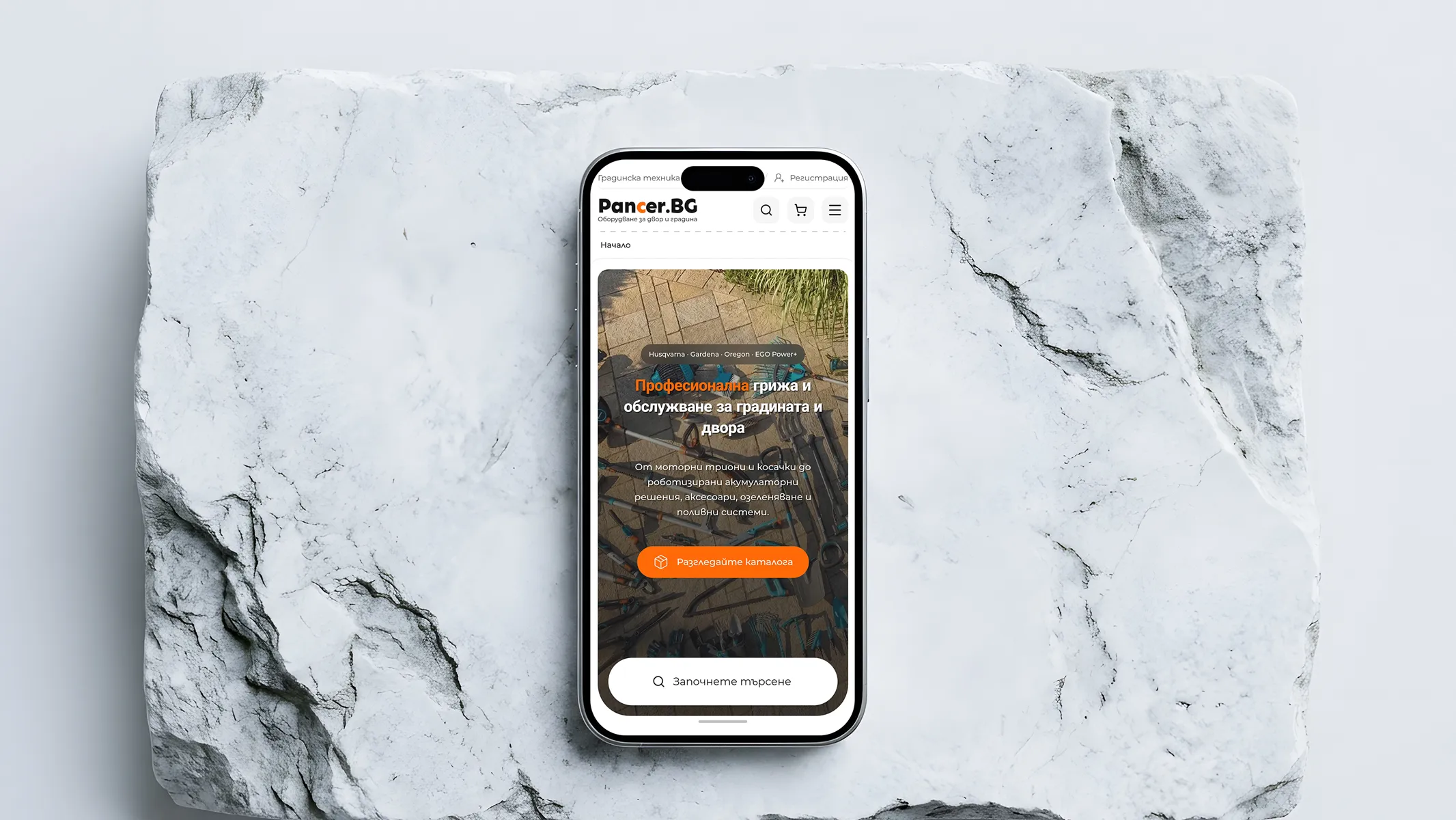
"How Pancer.BG moved from a 15-year static catalog to a living e-commerce platform with 800+ products, SSR, centralized operations, and AI-assisted development."
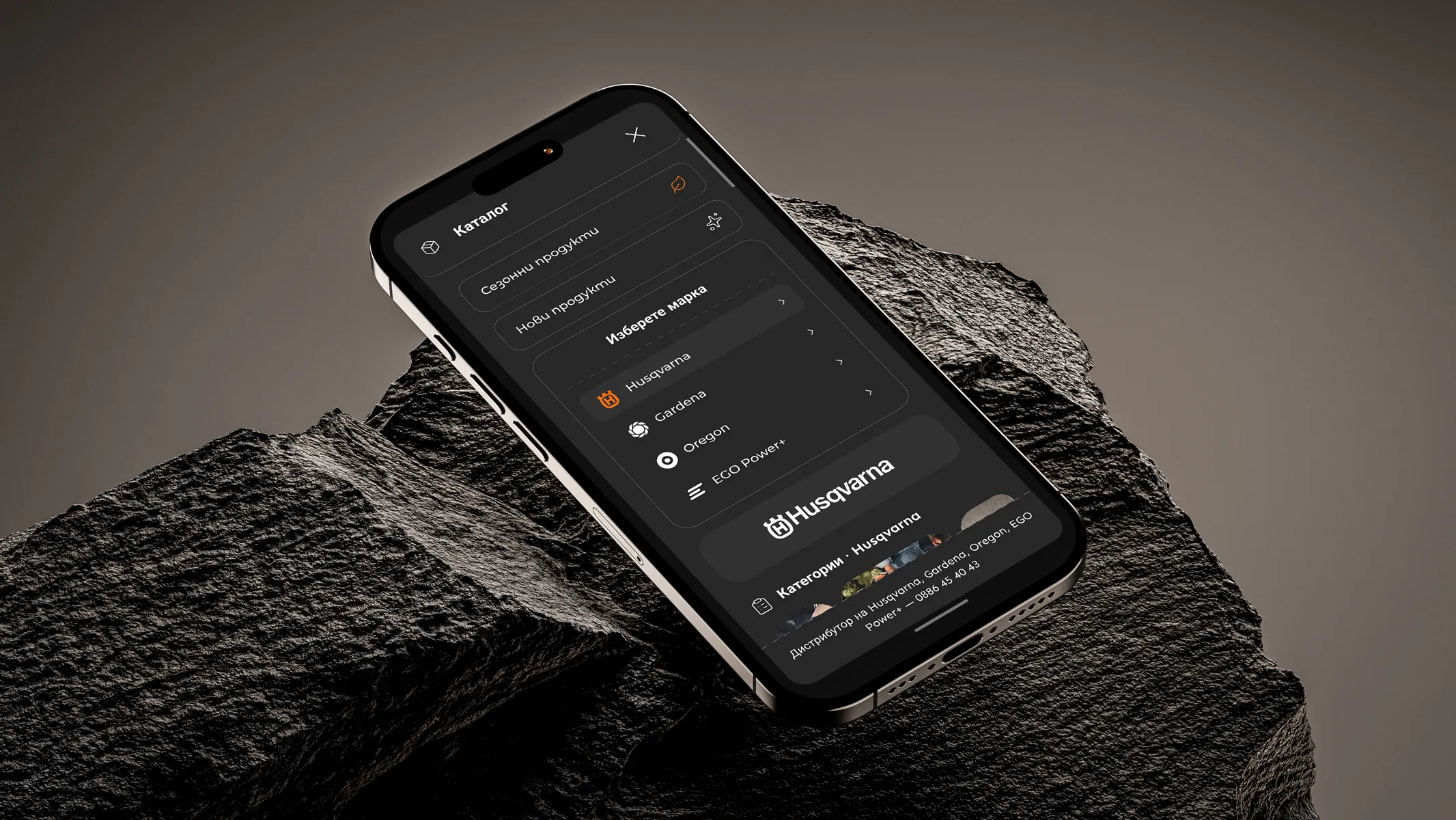
A few years ago, a project like this would almost certainly have gone to an agency.
Product manager. UX/UI designer. Frontend and backend developers. SEO specialist. DevOps. QA. Content team. Months in Figma, more months in the backlog, and finally a "Phase 2" that often stays only in the presentation.
Today I built this system alone.
Not with a magic prompt, not because AI "built the site for me," and not because complex e-commerce projects suddenly became easy. But because AI changed the speed at which one person with product taste, technical discipline, and full ownership can think, test, and build.
This is the story of Pancer.BG — a real business for garden and forestry equipment, with a 15-year domain history, a catalog of 800+ products, and daily customers. The goal was not a new look on an old site. The goal was to build a system that works for the customer, for the team, and for the next years of growth.
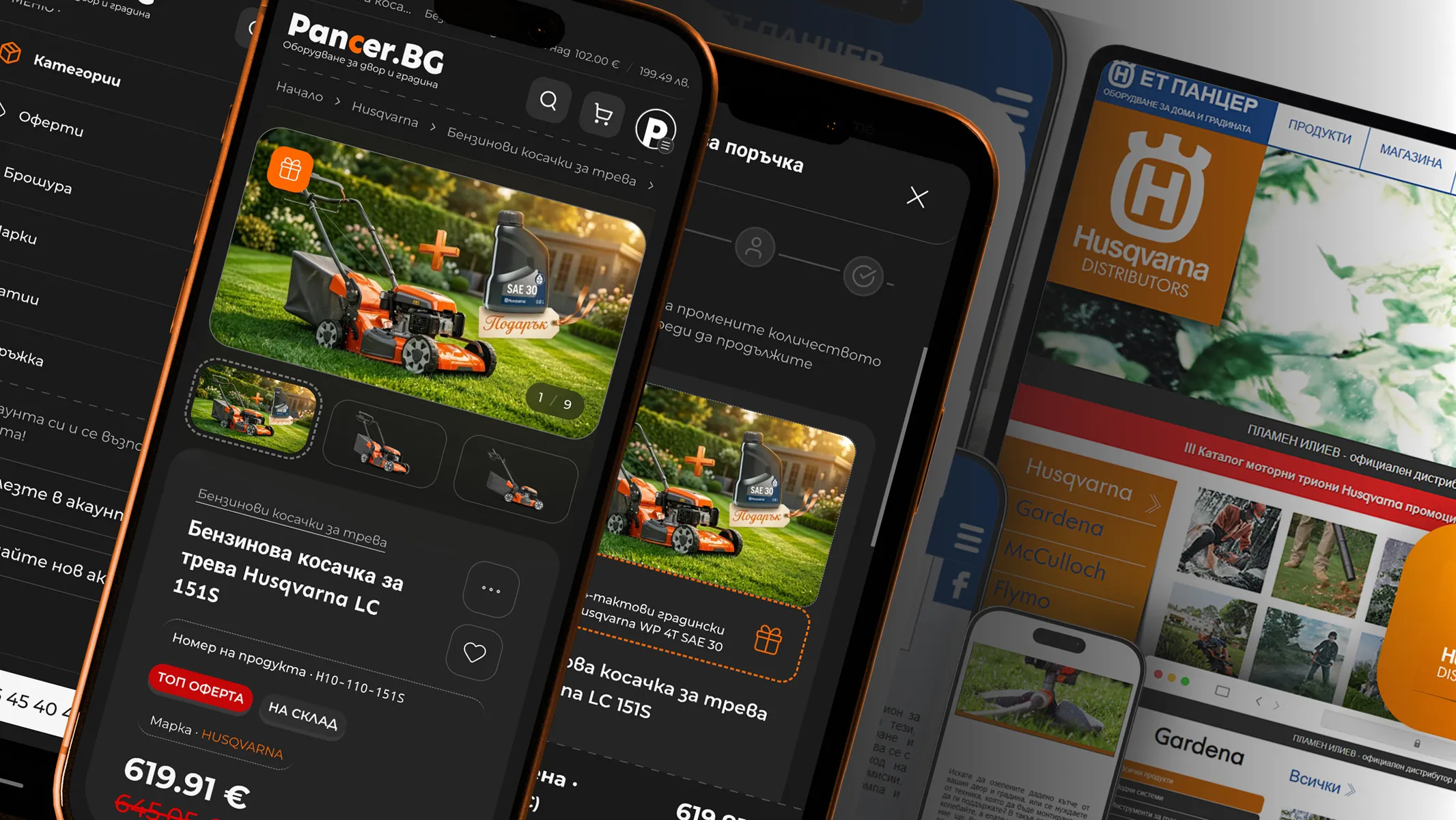
The problem was not the design
Customers found products on Google. Orders came by phone. The domain built authority. For its time, the model made complete sense.
But as the catalog grew, it started to become a constraint:
- Every change to price, availability, or product information depended on manual editing.
- There was no centralized database, cart, checkout, or user profiles.
- Product content was hard to scale and control.
- SEO structure, search data, and machine readability were not built for the modern web.
- The operations team had no single system through which to run the store.
Here, a "prettier website" would have solved nothing.
What was needed was an e-commerce platform where a product is edited once, and that change reaches the storefront, checkout, marketing channels, search engines, and internal operations.
No Figma does not mean no design
This is not an attack on Figma. It is an excellent tool when you need to sync large teams, validate direction with clients, or document a complex design system.
But on this project, drawing dozens of static screens would have created an unnecessary layer between the idea and the real product.
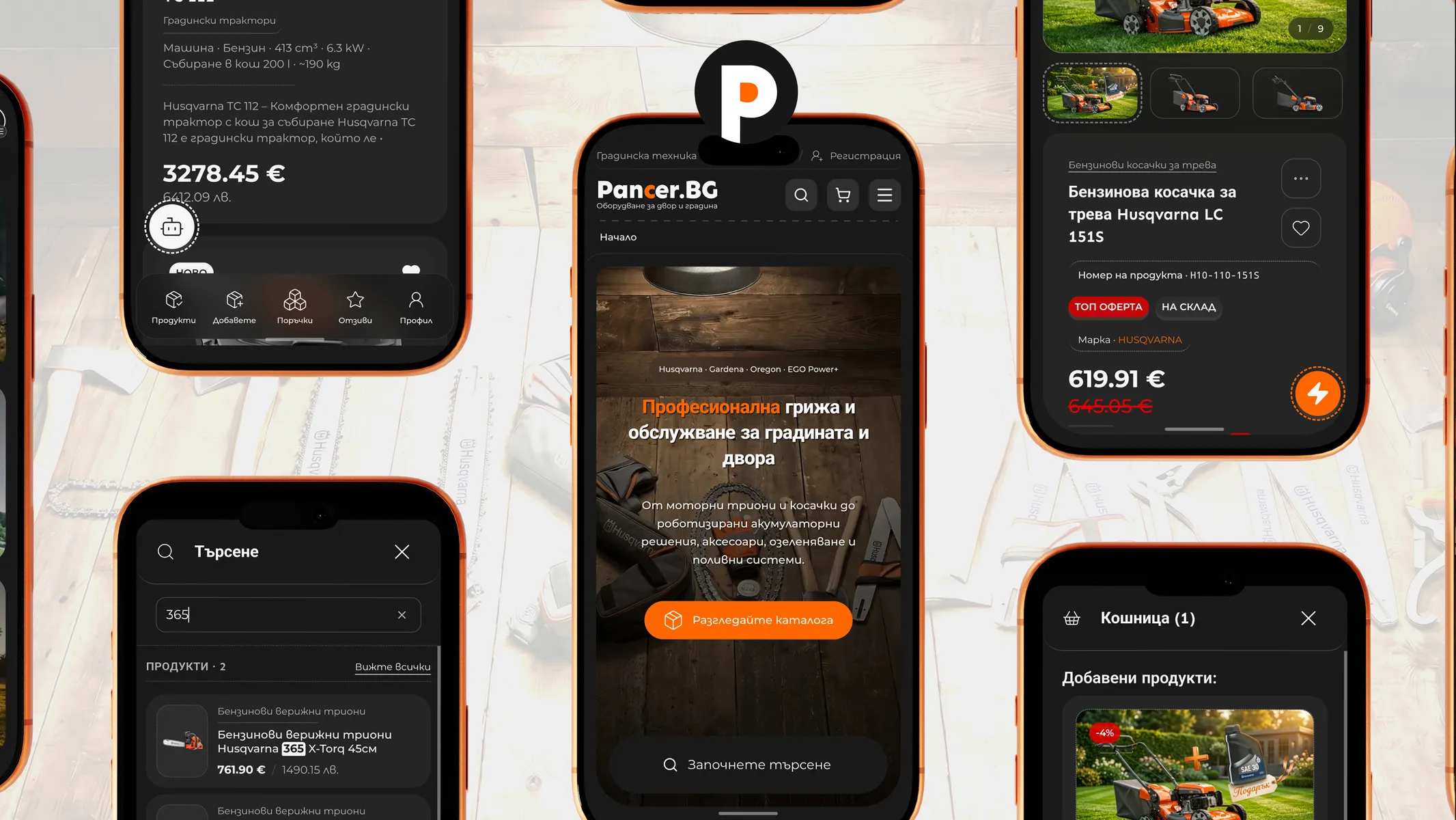
So design happened directly in the system:
- I identified the real problems in the customer journey and in the team's daily work.
- I built the information architecture and visual hierarchy on real product data.
- I tested solutions directly in the browser — with real categories, photos, prices, filters, and checkout scenarios.
- I iterated based on what actually happens after launch, not based on how a static mockup looks.
AI was the accelerator in this process: for research, structuring, boilerplate code, checks, refactoring, and fast technical iterations.
But the decisions remained human: how the customer finds the right machine, how the team processes an order, how SEO history is preserved, and how incorrect product information is prevented.

Not one checkout — three ways to buy
Catalog → Cart → Checkout → Payment
People call. They write on Messenger. They ask for a quote. They do not want to fill long forms. Sometimes they are ready to buy, but they need a person on the other side.
That is why Pancer.BG supports three paths to the same order:
- Full digital checkout for customers who want to choose delivery, payment, address, and invoice details themselves.
- Quick order from a product page, where the customer leaves a phone number and the team finishes the details in a conversation.
- Proxy order through the dashboard, where a staff member can create an order on behalf of a customer after a phone call, email, or Messenger conversation.
This is an important lesson for every e-commerce project: good UX does not force everyone to follow the same scenario. It gives different people the shortest reasonable path to purchase.



The real product is also behind the storefront
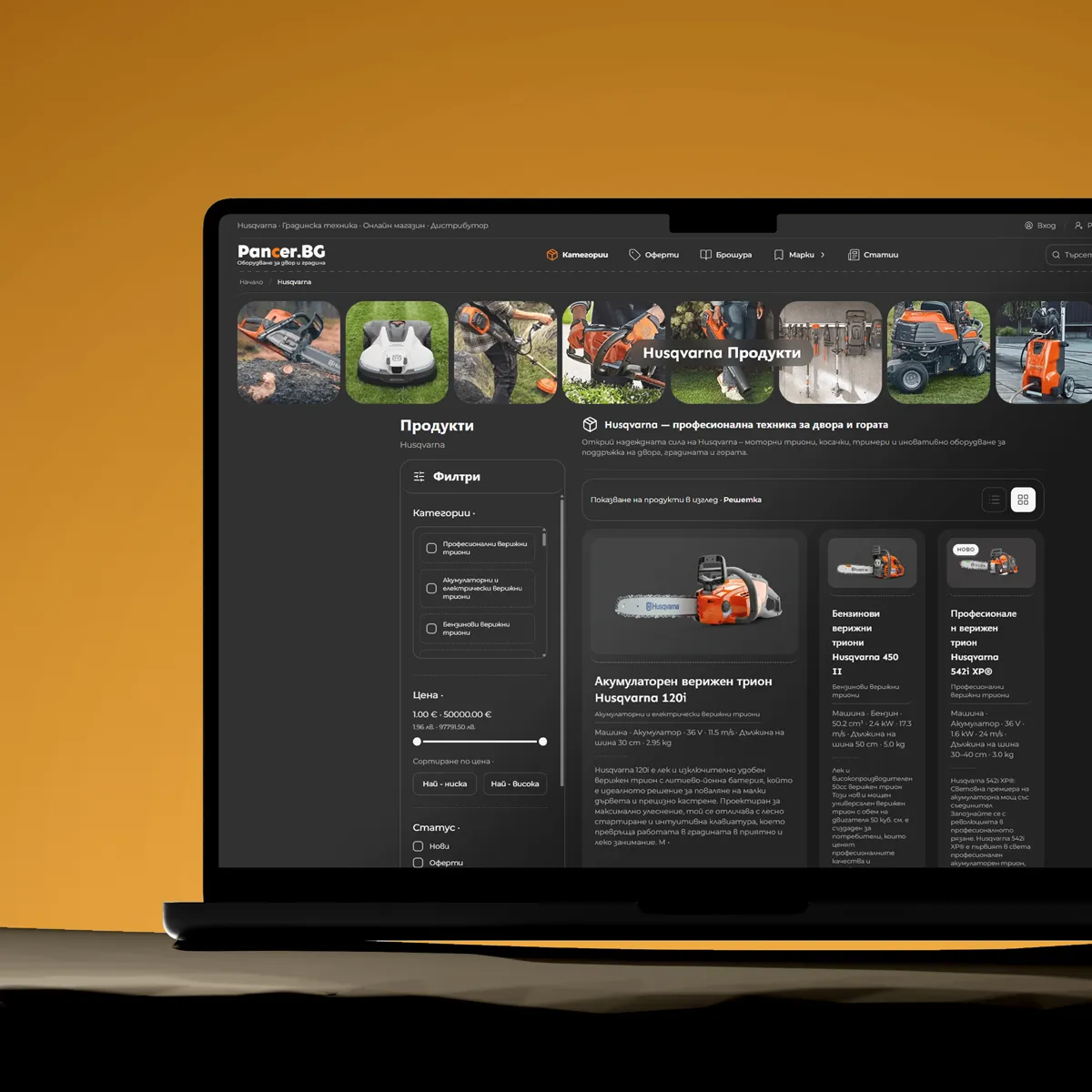
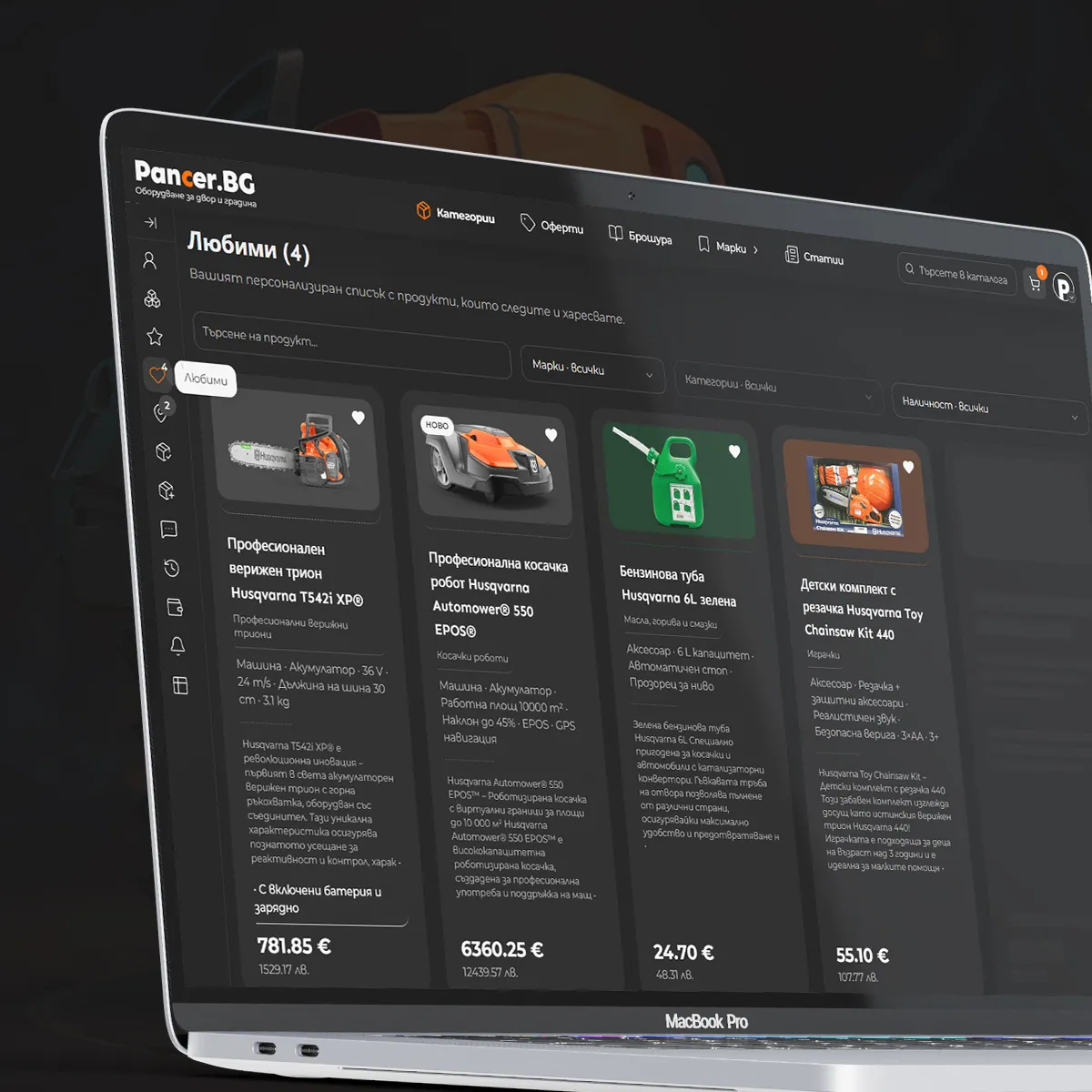
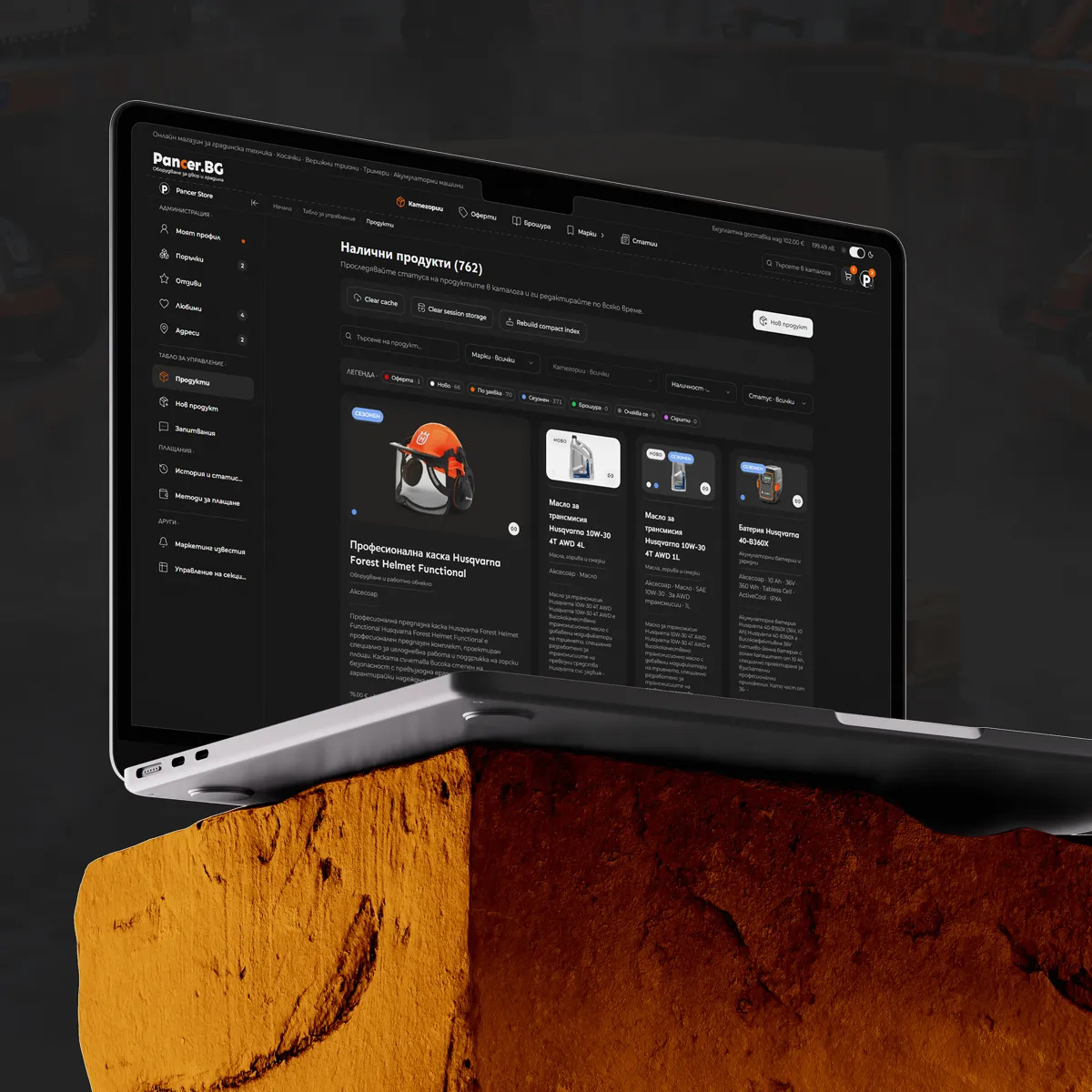
The other is a custom admin dashboard — the operational control center through which the team manages products, inventory, categories, promotions, orders, customer requests, reviews, and content.
That means changing a price, banner, or stock level does not wait for a developer ticket.
The team can maintain the catalog, process orders, send marketing notices, and manage key storefront sections in one shared environment.
This is exactly where many redesign projects fail. They look good in front of the client, but leave the business working through Excel files, inboxes, chaotic messages, and manual changes.
The storefront sells. The dashboard lets the business work tomorrow morning.


One product, many channels
That is why the catalog is built as a single source of truth.
When the team changes a price, availability, or product information, the data can feed:
- the Pancer.BG storefront;
- Google Merchant Center and other shopping channels;
- Meta catalog for Facebook and Instagram campaigns;
- Pinterest product feeds;
- structured data for search engines;
- internal admin and analytics processes.
This is not an "added integration." This is an architectural principle: edit once, and the system distributes the correct data everywhere.
The technology under the surface
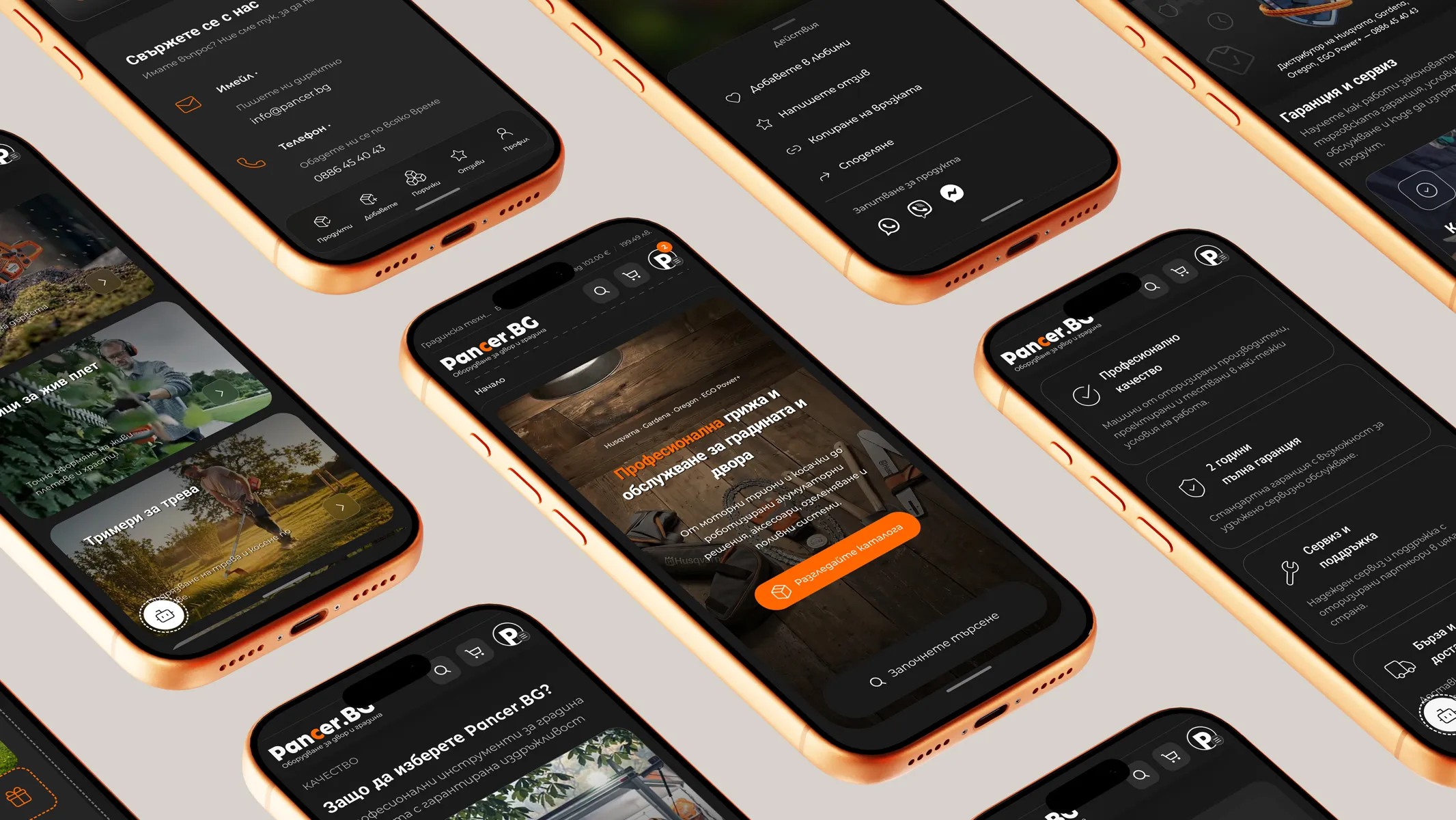
- React and TypeScript for the storefront.
- Vite SSR, so product pages return ready content from the server.
- Firebase Auth and Firestore for users, product, and operational data.
- Redis and edge caching for fast access to frequently used information.
- Stripe, TBI Bank, Cloudinary, Resend, and Speedy API for payments, financing, media, email, and delivery.
- Vercel for deployment, preview environments, and production infrastructure.
This is not a technology list for show. Each part was chosen because it solves a concrete business problem: visibility, performance, control, reliability, or less manual work.
SEO, Google, and AI discoverability
It is part of the architecture.
That is why the platform includes SSR-visible pages, a consistent URL structure, 301 redirects, Schema.org Product and Offer data, video structured data, and automated product feeds.
Files such as llms.txt and an AI sitemap were also created to help the new generation of AI systems understand the content.
This is not a trick that makes an LLM "recommend the store." It is clean, consistent, structured information that machines and people can understand.
In practice, this led to better indexing: the number of indexed pages in Google Search Console rose from 67 to 970 during the structural improvements.

Launch is not the finish line
Products with inaccurate technical specs were found. This is not just a content problem — with equipment, wrong information can lead to the wrong purchase decision. The fix was both: correcting the data and stricter validation for future entry.
During daily order processing, the dashboard started to load the system. That required optimizing queries and caching layers.
After some deploys, part of the visitors saw an older version because of caching. The solution was not "hope it fixes itself," but adding post-deploy checks for the live content actually being served.
That is ownership.
Design does not end when the interface looks good. It ends when the system stays reliable and when the business can work through it without technical panic.
What AI actually changed
AI accelerated the person who can connect those roles into one direction.
It helped write and review code faster, structure complex tasks, analyze options, and iterate without the traditional delay between "design," "handoff," and "development."
But AI does not carry responsibility for a broken checkout, a failed migration, a confusing interface, invalid product information, or a bad business decision.
That responsibility stays with the person behind the product.
Pancer.BG does not prove that anyone can build an enterprise e-commerce system with a few prompts. It proves something more interesting: that a designer with product mandate, systems thinking, and properly managed AI can take on a much larger scope of work than before.
And that the future is not in more screens, more handoffs, and more layers between the idea and the customer.
The future is in people who can build complete systems — from the customer journey and visual language to data, operations, and discoverability.
The living system: Pancer.BG
Full interactive case study: vladonacev.com/work/case-studies/pancer-bg-ecommerce-ssr
Portfolio: vladonacev.com
Get in touch
You can reach out or collaborate through:
Or simply write through my contact page.
Madebyvladonacev — complete brand experiences.
Closing thoughts
Pancer.BG is a living system — not a presentation, but a product that works every day for customers and the team. Here design meets operations, and AI accelerates the person with full ownership.
"It is not only what AI accelerates. It is how you think, test, and build complete systems."
If you are a designer — let's talk about ownership. If you are a business — let's build a system that works tomorrow morning.
Let's build something that grows.

Related Work
Explore projects that share the spirit and approach of this article.
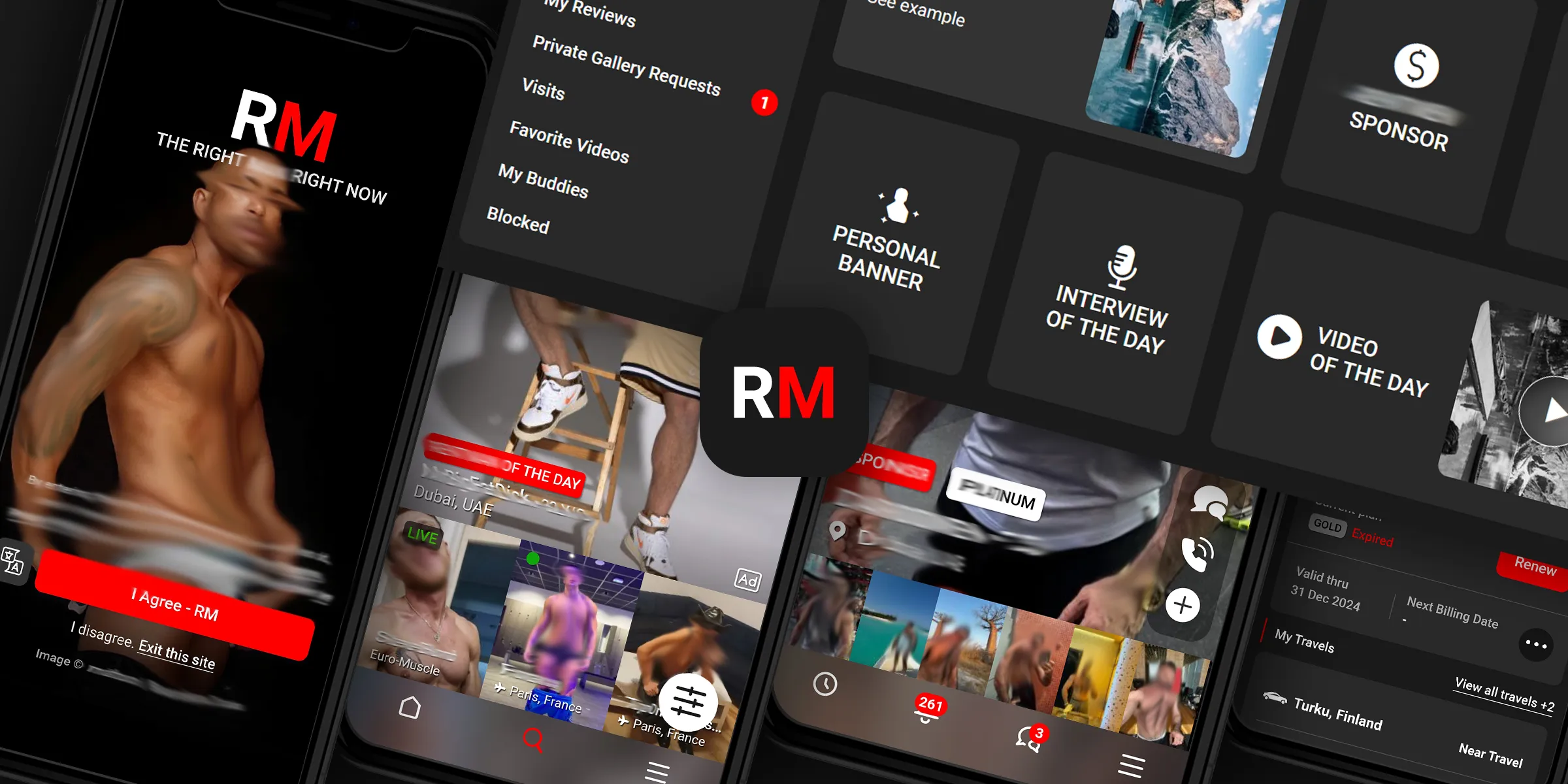
RM Platform Redesign
Browse · Web Design
Software · Figma · Photoshop · Illustrator · Gitlab, PhpStorm.
Technologies · Web Design · UX/UI Design · Web Application · React · Next.js · Bulma CSS Framework · HTML5 · CSS3 · SaaS · Responsive Web Design.
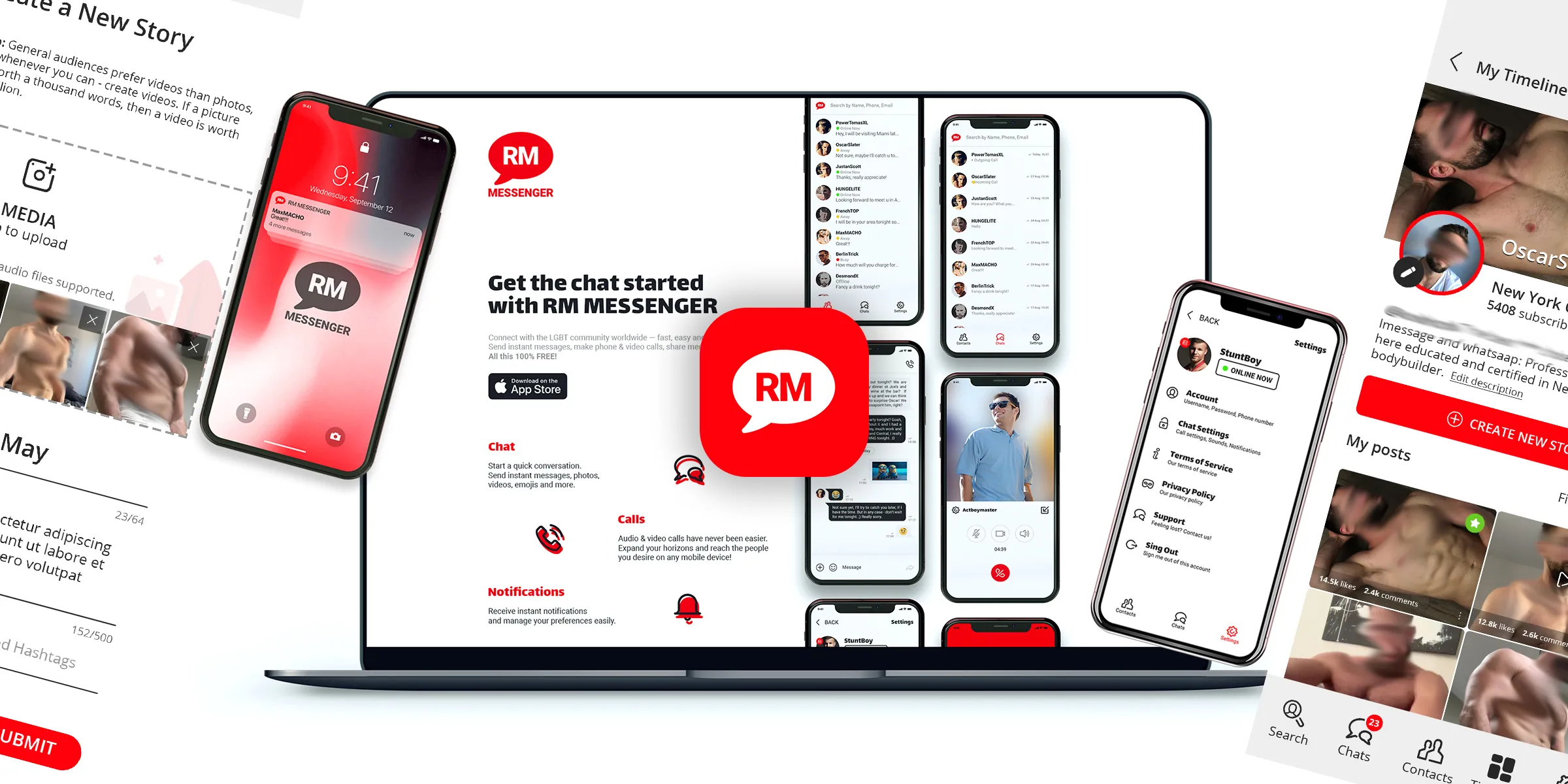
RM Landing Page
Browse · Web Design
Software · Figma · Photoshop · Illustrator · VS Code.
Technologies · Landing Page · HTML · CSS · SaaS · Scroll Animation · Web Design · UX/UI Design · Responsive Web Design.
